


If there’s one thing I’ve learned running OneTwo Stop here in Toronto, it’s that people don’t think about bathrooms until they really need one. And when you’re hosting a wedding, setting up a job site, or planning a community festival, not having enough toilets can turn into a big problem fast. Portable toilets solve that headache. They give guests, crews, and even emergency teams a clean and reliable place to go—no matter the location.
We’ve placed units everywhere: lined up along the lakefront for marathons, tucked behind stages at concerts, and even craned up onto high-rise construction projects. During city worker strikes, our toilets kept things running when regular facilities aren’t available. That’s the beauty of portable toilets—they’re flexible, fast to set up, and they keep your event or site comfortable and sanitary.
Of course, not every porta potty is the same. The right choice depends on your crowd and your setting. At the most basic level, you’ve got your standard single units—simple, no-frills, and budget-friendly. Then there are specialty units, like wheelchair-accessible stalls or high-rise models built for downtown towers. If you’re planning a wedding or VIP event, luxury trailers give a completely different experience—flushing toilets, running water, even air conditioning. And for outdoor lovers or eco-conscious organizers, there are green options like composting or waterless toilets.
This guide breaks down each type so you know exactly what’s out there and how to match the right unit to your needs. By the end, you’ll know whether you need a single porta potty for a backyard BBQ, or a full line of trailers for a multi-day festival.
Portable Toilet Types: Key Takeaways
-
Portable toilets come in many types, from standard single-stalls to luxury trailers and eco-friendly units.
-
The right porta potty depends on the setting—events, construction sites, camping, or emergencies.
-
Specialty options exist for accessibility, harsh weather, and high-rise builds.
-
Add-ons like hand wash stations, sanitizer, and urinals improve hygiene and convenience.
-
Planning ahead ensures you rent the right unit for comfort, compliance, and budget.
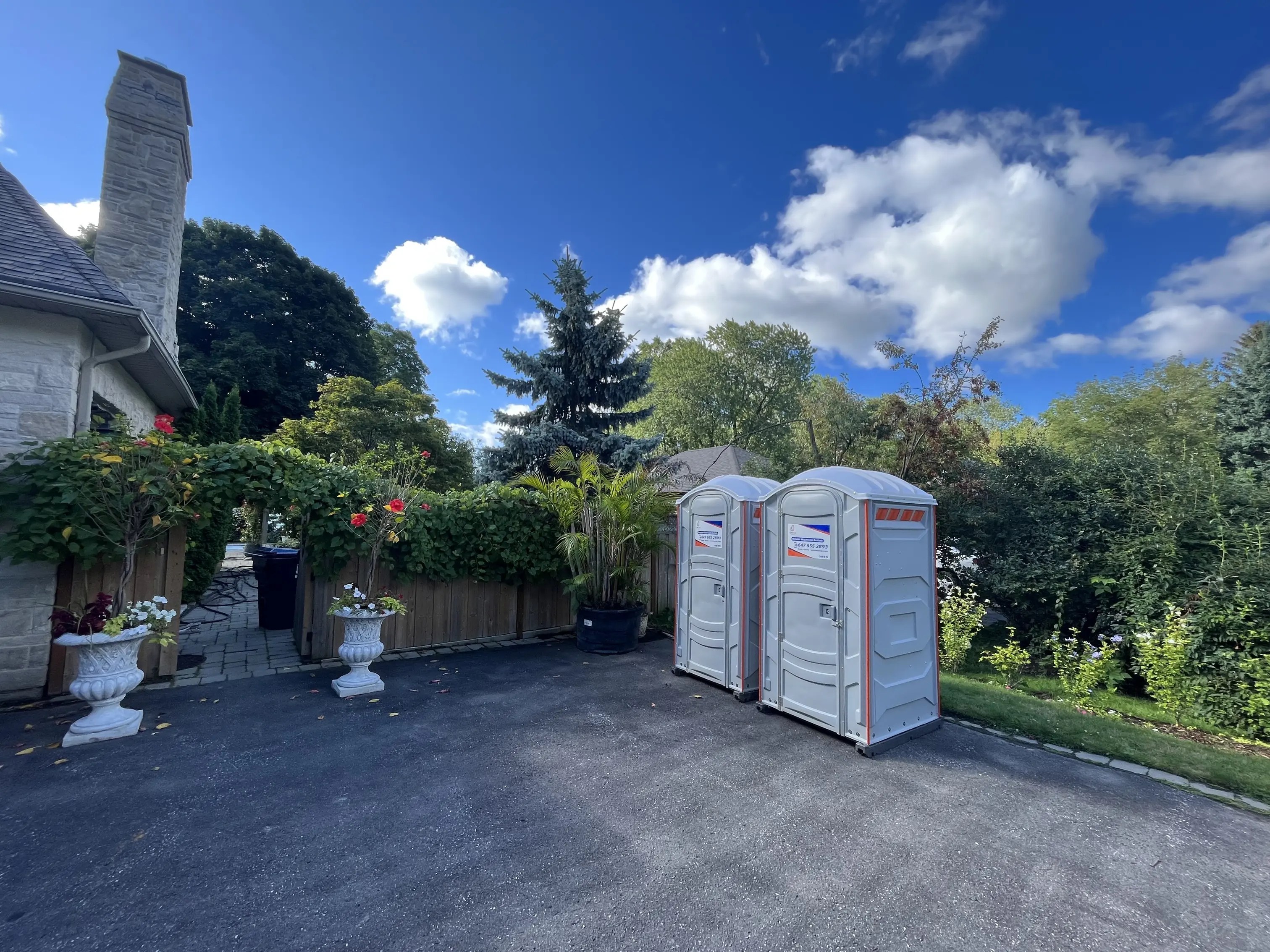
Types of Porta Potties: Including Standard Portable Toilets
When most people hear “porta potty,” they picture the classic blue box at a festival or job site. And honestly? That’s where it all starts, although it doesn't have to be blue. The standard portable toilet is the backbone of this industry. It’s simple, sturdy, and does exactly what you need it to—gives people a clean, private spot when indoor plumbing isn’t an option.
At OneTwo Stop, we deliver thousands of these every summer across Toronto. From Canada Day at Nathan Phillips Square to small backyard weddings, the standard units are always the first request. But here’s the thing: even within this “basic” category, there are different options to choose from.
If you’re looking to add comfort, you might want a portable toilet with a sink built inside. It’s a step up in hygiene, and we’ve noticed they’re especially popular for community events and farmers’ markets where people want to wash their hands without hunting down a separate station.
For events that stretch into the “nice to have” territory, there’s the flushable portable toilet. Instead of waste sitting in the open tank, you get a flush system that feels closer to a regular bathroom. They’re a hit at weddings and private parties where people expect something a little less rugged. Here at OneTwo Stop, we provide flushing units standard, because they’re just worth it.
And finally, one of the most overlooked but appreciated options: the portable toilet with a baby changing station. If you’ve ever seen a parent balancing a diaper bag, stroller, and a fussy baby at an outdoor festival, you know how badly this is needed. Adding just one of these to your rental order can completely change the experience for families—and trust me, parents will thank you. A standard unit typically includes features like a coat hook and a toilet paper dispenser for user convenience.
So as you can see, even our standard units have options. Choose what works best for you, and if you haven't found what you're looking for, let's go over the other types of portable toilets.
Accessible and Inclusive Portable Toilets
Here’s the truth: once you’ve covered your basics with standard porta potties, the next question I always ask customers is—“Who’s actually going to be using these?” Because not every guest, worker, or visitor has the same needs.
A wheelchair accessible portable toilet—commonly called an ADA-accessible porta potty (which comes from the requirements in the USA)—is built for mobility and space. The door is wider, the floor is flat (no step-up), and the inside has enough room for a wheelchair to turn comfortably. These units are designed to comply with the Accessible Canada Act, ensuring accessibility for all users. The spacious interior allows for easy maneuverability, making it comfortable for wheelchair users and anyone needing extra room. Grab bars give users the stability they need. Even for parents with strollers, or guests in bulky festival gear, that extra space makes a world of difference. When I see one of these on-site, I know everyone has a fair chance to feel welcome.
Now, inclusivity doesn’t stop there. Over the past few years, we’ve also added female portable toilets with disposal bins to our lineup. It’s one of those details that people don’t talk about enough, but it matters. At big community events—parades, cultural festivals, even weddings—having a clean and private spot to dispose of sanitary products saves guests from stress and discomfort. It shows you’ve thought about the details, and honestly, it’s one of the easiest ways to make female attendees feel considered.
The big takeaway here? Renting portable toilets isn’t just about numbers—it’s about people. By adding accessible and inclusive options, you’re not only checking off a box, you’re sending a message: this event, this job site, this space is for everyone. And that kind of thoughtfulness gets noticed.

Specialty Porta Potties for Worksites
After talking about accessibility, it’s only natural to shift gears and think about another group of people who spend long hours depending on portable toilets: construction crews. Construction projects often require specialized portable toilets to meet the demands of daily use. Unlike party guests or festival-goers, these folks don’t just pop in and out once or twice—they’re using those units every single day, sometimes for months. And believe me, if a porta potty isn’t built for the worksite, workers will let you know fast.
One of the first things I learned delivering toilets in Toronto winters is that the cold changes everything. Heated porta potties for winter are becoming less of a luxury, and more of a necessity in our climate. These unit

s are insulated, equipped with small heaters, and designed to keep things comfortable (and functional) when the temperature dives below zero. Crews appreciate them, and honestly, productivity improves when workers aren’t dreading their bathroom break.
Then there’s the challenge of high-rise builds. If you’ve ever watched a tower go up in downtown Toronto, you know the site is basically a vertical city. Asking workers to climb down 20 flights just to use the washroom is unrealistic—and a huge waste of time. That’s where craneable porta potties come in. We supply a hoist which attaches to the porta potty and lifts them floor by floor as the building rises. I’ve stood on a rooftop watching one of our craneable units swinging in the air between glass towers, and it still amazes me how much it simplifies life on-site.
Worksites are tough, gritty, and unpredictable. That’s why standard event-style porta potties don’t always cut it. Although specialty units are built for the rigors of construction projects, offering greater durability and features tailored for demanding environments, not all construction sites require such specialized units. Crews often need standard portable toilets, but even then, there are rules and regulations to follow. In Ontario, all job site portable washrooms require a sink, urinal, and flushing toilet. At OneTwo Stop, we only rent these types of porta potties for construction sites, but always check with your rental company that you are getting the proper unit.
Multi-Stall and Trailer Units
Coming off the topic of specialty porta potties for tough worksites, it’s worth mentioning that sometimes the need isn’t about height or winter weather—it’s about capacity. Sometimes a single portable toilet can only go so far before lineups become a problem. That’s where multi-stall and trailer-style washrooms come into play.
On large construction sites, washroom trailers are often the practical choice. They’re built tough, just like the crews using them, but they also provide more stalls under one roof. These trailer units often include multiple private stalls, giving users enhanced comfort compared to single units. When you’ve got dozens of workers all taking breaks at similar times, a trailer keeps things moving without creating a bottleneck.
Now, for weddings or VIP events, there are versions of these trailers designed with added comfort—sometimes called VIP or luxury restroom trailers. These include things like climate control, stylish interiors, and flushing toilets. While we don’t carry this type at OneTwo Stop, they’re worth knowing about if you’re an event planner looking to give guests a higher-end experience.
The main takeaway? Multi-stall and trailer units exist because sometimes you don’t just need “a bathroom”—you need enough capacity to keep people comfortable and operations running smoothly. They’re another tool in the toolbox, whether you’re building a condo tower or hosting a neighbourhood fair.
Additional Portable Washroom Equipment
Now, here’s something I’ve noticed over the years: people often think renting toilets is the whole story. But anyone who’s ever stood in line at a festival with sticky fingers from cotton candy knows that the “extras” can make or break the experience. A porta potty by itself does the job, but the right add-ons turn a basic setup into a user-friendly washroom station.
Let’s start with the obvious one—hand wash stations. These are lifesavers at events with food or anywhere health codes are in play. We’ve rolled them into farmers’ markets, kids’ soccer tournaments, and construction sites where crews are handling tools all day. They’re freestanding, easy to move around, and stocked with fresh water, soap, and paper towels.

And finally, the little details—what I like to call the comfort boosters. Things like hand sanitizer dispensers, small mirrors, or even coat hooks inside the unit. Some units also come with ergonomic toilet seats for added comfort, making longer visits much more pleasant. They don’t seem like much on paper, but believe me, guests notice. I remember one bride telling me her favourite thing about our toilets wasn’t the flush system—it was the mirror where her bridesmaids could touch up their makeup throughout the night. Sometimes it’s those small touches that leave the biggest impression.
So, while toilets are the main event, the supporting cast matters just as much. A few well-placed extras can take stress off your crowd, keep things cleaner, and show people you’ve thought about their comfort. At the end of the day, it’s the details that separate a “good enough” setup from one people actually appreciate.
Health and Hygiene in Portable Toilets
When it comes to portable toilets, nothing matters more than health and hygiene—especially at outdoor events or in remote locations where proper sanitation can’t be taken for granted. A well-maintained portable toilet isn’t just about comfort; it’s about keeping everyone safe from germs and unpleasant odours. That’s why portable toilet operators put a big emphasis on regular cleaning, disinfecting, and restocking essentials like toilet paper, hand sanitizer, and soap dispensers.
For users, the basics are simple but crucial: always wash your hands after using the toilet, use the hand sanitizer provided, and make sure waste goes where it’s supposed to.
At the end of the day, proper sanitation is what turns a portable toilet from a last resort into a reliable solution. With a little attention from both operators and users, portable toilets can deliver clean, worry-free service wherever nature calls.
Cost and Budget Considerations
Budget is always top of mind when planning for portable toilets, whether you’re organizing a large event or managing a construction project. The good news? There’s a portable toilet option for nearly every price point. Basic portable toilets are the most affordable, offering essential features without frills. On the other end of the spectrum, luxury units with advanced technology—think air conditioning, stylish interiors, or even sound systems—come at a premium.
When weighing costs, it’s important to look beyond just the rental fee. Factor in maintenance, cleaning schedules, and any extra services you might need, like wheelchair accessible units or baby changing stations. Here at OneTwo Stop, we can help you estimate the right number and type of units based on your guest count, event duration, and any special requirements.
By working with experienced portable restroom operators and being clear about your needs, you can find a solution that fits your budget without sacrificing comfort or compliance. Whether you’re after a simple toilet for a weekend event or a suite of luxury units for a VIP gathering, careful planning ensures you get the best value for your investment.
Eco-Friendly and Uncommon Toilets
After talking about hand wash stations, urinals, and all the little extras that make porta potties more user-friendly, let’s take a step off the beaten path. Not every portable toilet is designed for big-city events or construction sites. Some are built for the trail, the cottage, or situations where plumbing just doesn’t exist. At OneTwo Stop, we don’t carry these models, but they’re worth knowing about—especially if you’re curious about eco-friendly or off-grid solutions.
One of the most popular alternatives is the composting toilet. These are considered an eco friendly solution, often using coconut coir as a bulking agent to aid decomposition and odour control. Instead of chemicals and water, composting toilets use natural processes—like sawdust, peat moss, or coconut fibre—to break down waste into compost. They minimize odours through natural aeration and separation, making them popular among outdoor enthusiasts and those seeking sustainable options for the great outdoors. Composting toilets are common in eco-parks, remote cabins, and sustainability-focused projects. I’ve seen them at outdoor education centres in Ontario, and while they take a bit more upkeep, they fit perfectly for places that want a low environmental footprint.
Then there are cassette toilets. If you’ve ever been in an RV, camper van, or boat, you’ve probably used one without realizing it. Cassette toilets feature a removable cassette or small waste tank, making waste disposal at dump stations or public restrooms more convenient for camper vans and RVs. These are small, portable units with a removable tank you empty manually. They’re not something you’d order for a festival, but for road trips or small camping setups, they’re practical and compact.

For the old-school campers out there, there’s the bucket toilet, which typically consists of a plastic bucket, toilet seat, and plastic bag for waste containment and odour control. The bucket toilet is a simple and effective portable camping toilet option, especially for outdoor activities and emergency situations. There’s also the portable thunderbox or even a chamber pot. They’re as basic as it gets—a simple seat or container—but for backcountry camping or hunting trips, sometimes simplicity is all you need. I once met a camper who swore by his homemade thunderbox, claiming it was “lighter than a tent pole.” Not glamorous, but it works.
Folding toilets are another portable camping toilet option, offering a lightweight, space-saving design ideal for outdoor adventure and portable camping. These folding toilets are easy to transport and set up, making them a favourite among hikers and outdoor enthusiasts.
The point is, portable toilets don’t always come in blue plastic or roll off a delivery truck. In certain settings, “uncommon” toilets are the only thing that makes sense. These portable toilet options are designed for outdoor activities and extended periods away from traditional facilities, providing comfort and sanitation in the great outdoors. Whether you’re chasing sustainability, traveling off-grid, or just curious about alternatives, it’s good to know these options exist—even if they’re not part of a standard rental lineup.
Conclusion
After wandering through the world of composting loos, thunderboxes, and camping toilets, it feels like we’ve come full circle. From rugged construction sites in downtown Toronto to quiet hiking trails in Algonquin, there really is a portable toilet for just about every situation. And if there’s one thing I’ve learned running OneTwo Stop, it’s that the right choice always depends on where you are and who you’re serving.
Here’s the quick recap:
- Standard portable toilets are the workhorses—perfect for festivals, small gatherings, or day-to-day construction jobs.
- Accessible and inclusive units make sure no one’s left out, whether it’s a wheelchair user, a parent with a stroller, or guests who need extra privacy.
- Specialty worksite models like heated units or craneable toilets are built for crews who face long winters or high-rise towers.
- Multi-stall and trailer units step in when you need more capacity—whether that’s a bustling job site or a community fair.
- Extra equipment like hand wash stations, urinals, and sanitizer dispensers keeps everything cleaner and smoother for the crowd.
- And of course, eco-friendly and uncommon toilets prove that not all solutions come in a plastic shell—sometimes the simplest, most sustainable option is the right one.
The real trick is matching the unit to the moment. Hosting a backyard wedding? A mix of standard and flushable units might be plenty. Running a long-term construction project in January? Heated porta potties will keep your crew happy. Heading into the woods? That’s where the camping units shine. And while we don’t supply every type mentioned in this guide, knowing what’s out there helps you make the best decision for your site, event, or adventure.
If you take one piece of advice from me, it’s this: plan ahead. Toilets aren’t the most glamorous part of an event or worksite, but when they’re missing—or mismatched—you’ll hear about it right away. With a little foresight, you can save yourself stress and give your guests or workers exactly what they need.
At the end of the day, portable toilets aren’t just about convenience. They’re about comfort, dignity, and making sure everyone feels looked after. And when you get that right, everything else runs a whole lot smoother.
The most common type is the standard single-stall portable toilet. It includes a seat, urinal, and ventilation, making it a reliable option for construction sites, festivals, and small events. These units are affordable, durable, and quick to set up.
Luxury porta potties, also called restroom trailers, offer multiple stalls, flushing toilets, sinks, mirrors, and climate control. They’re often used at weddings, corporate events, and VIP gatherings where comfort, cleanliness, and aesthetics are top priorities.
Yes, construction porta potties include rugged models like craneable high-rise units and heated toilets for winter. These designs save crews time and ensure sanitation on worksites, even in extreme weather or tall buildings where standard units aren’t practical.
Wheelchair accessible porta potties are larger units with wide doors, flat entryways, and grab bars for wheelchair users. They provide extra interior space for mobility and are essential for events, worksites, and public gatherings where inclusivity is required.
Yes, eco-friendly options like composting toilets, waterless urinals, and cassette toilets are designed for sustainability. They’re ideal for camping, hiking, and off-grid sites where plumbing isn’t available, helping reduce waste and environmental impact.

About The Author
Brad Anderson is a seasoned expert in the porta potty industry with over 6 years of hands-on experience. He is the co-founder of OneTwo Stop, a leading porta potty rental company based in Toronto, Ontario. He also serves on the board of OASIS, which advocates for best practices in the waste disposal and portable sanitation industries. Brad has been deeply involved in every aspect of the business—from delivery and setup to cleaning, sanitization, and maintenance. His firsthand knowledge of portable sanitation solutions makes him a trusted authority on the subject.
With a passion for providing clean, reliable, and efficient portable washrooms, Brad understands the challenges and best practices in the industry better than most. Whether it’s serving construction sites, outdoor events, or emergency situations, he knows what it takes to ensure comfort and hygiene for users. He shares his insights, tips, and expertise to help customers make informed decisions about their portable restroom needs.
