

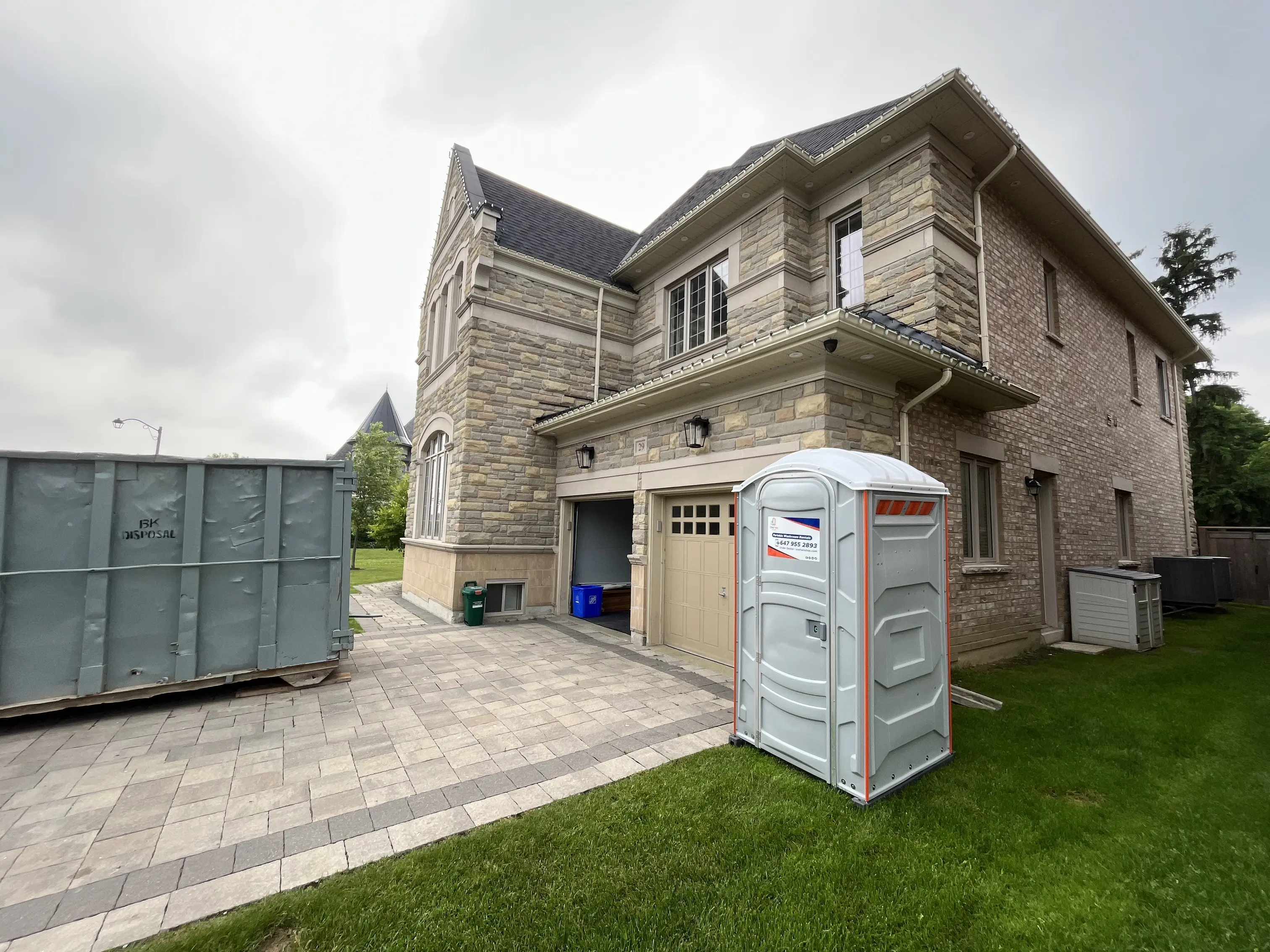
If you’re running a job site in Ontario, you already know it’s not just about hammers and hard hats—it’s about keeping your crew safe and treated with dignity. That includes having proper portable toilets on site. You’d be surprised how often this part gets overlooked. I’ve been in the porta potty business for over a decade, and let me tell you—when it comes to washroom laws under Ontario’s OHSA, the rules aren’t suggestions. They’re mandatory.
This guide is for you if you’re an employer, constructor, supervisor, or even a worker trying to make sure your rights (and your team’s comfort) aren’t being flushed away. The OHSA spells out who’s responsible for what, and if you're not in the know, you're putting more than just your reputation on the line—non-compliance can lead to real fines.
We wrote this because too many folks still think throwing one porta potty at the edge of a construction site is “good enough.” It’s not. The law is clear: You need a certain number of toilets depending on your crew size. They must be clean, accessible, and properly maintained. And yes—handwashing stations are part of the deal, not a bonus.
At OneTwo Stop, we’ve seen sites where everything’s done right—and others where we’ve had to step in and fix a mess (sometimes literally). That’s why I want to break it all down here. No fluff. No legal jargon. Just what you need to know to stay compliant and keep your site running smooth.
So whether you’re managing a high-rise downtown or a small build in the suburbs, stick with me. We’ll walk through what the OHSA expects from you when it comes to portable toilets in Ontario—and how to get it right the first time.
Porta Potty Rules and Regulations: Key Takeaways
- OHSA isn’t black and white. The rules leave room for judgment, and inspectors will use it—especially around distance, cleanliness, and maintenance.
- New regs are already here. Menstrual products become mandatory on certain sites starting January 1, 2025, and upgraded standards for washrooms follow on July 1, 2025.
- Running water, heat, and record-keeping are all in the spotlight. What used to be “nice to have” is quickly becoming the new normal.
- Responsibility is shared. Whether you're an employer, supervisor, or part of a crew, everyone’s got skin in the game now when it comes to facility access and conditions.
Legal Framework: Occupational Health and Safety Act
Alright, so now that we’ve set the stage, let’s talk law. Because here’s the deal—when a Ministry inspector walks onto your site, they’re not there to debate “what makes sense.” They’re there to enforce what’s written in Ontario’s Occupational Health and Safety Act (OHSA) and its construction regulations.
Back when I started OneTwo Stop, I figured portable toilets were just about convenience. But the deeper I got into the industry, the more I realized—this is an occupational safety and health issue, full stop. You wouldn’t skip on fall protection or PPE, right? Porta potties fall under the same legal umbrella.
Let’s break this legal stuff down without the headache.
General Porta Potty Rules and Regulations
Here’s the general idea: every construction site in Ontario must provide workers with access to clean, accessible washrooms. Adhering to regulatory standards is not just a “nice-to-have” for crew morale—it’s the law. And it’s spelled out in Regulation 213/91 under the OHSA.
Meeting OHSA regulations is crucial, and having adequate washroom facilities is a key part of this compliance. Ensuring workers have access to sanitary and accessible washroom facilities is essential for both legal compliance and employee well-being.
The rules cover:
- How many toilets you need based on the number of workers
- How close they have to be to the work area
- What condition they have to be in (spoiler: they better be clean)
- Who can use them (yes, women’s access must be considered)
- Whether you need handwashing stations, heat, and running water—depending on the setup
I know this might sound like a lot to take in, but if you’re managing a site, you’re already juggling safety checklists, scheduling delays, and budget constraints. Trust me—you don’t want a surprise fine over a dirty porta potty.

Legal Requirements
So what exactly does the law say? In short: you need to provide one toilet and one cleanup facility for every 10 workers or fewer. If you’ve got more than that on site, you’ll need additional units to meet the toilets required. And if your crew is on-site long-term or in remote areas, the expectations shift a bit—we’ll get into those details in the next section.
Oh, and here’s something most people miss: it’s not enough to just plop a toilet down and forget it. The OHSA says toilets must be:
- Serviced regularly
- Stocked with toilet paper
- Weather-protected (yup, even in January)
- Well-lit and sanitary
Establishing a servicing schedule is crucial to maintain compliance and ensure sanitary conditions for users.
If your washroom situation makes workers think twice about using it, that’s already a red flag—and it’s likely not compliant.
Workplace Responsibilities - Ensuring Compliance
Now let’s talk accountability. Everyone plays a role in making sure things are up to code, and the OHSA spells out who’s responsible for what. Construction managers are crucial in ensuring compliance with regulations related to portable toilets on construction sites, navigating permits, and adhering to OSHA requirements while managing sanitation facilities effectively.
Constructors
You’re the top of the food chain. If you’re the constructor, it’s your job to make sure there’s a toilet plan baked into the project. That means making sure there are enough washroom facilities and that they’re safe, clean, and inspected regularly. Understanding hygiene requirements and compliance regulations specifically related to construction projects is crucial under the Occupational Health and Safety Act.
Construction companies can demonstrate their commitment to worker health and safety by complying with porta potty regulations, which is essential for avoiding legal issues and ensuring a respectful working environment.
Employers
If you’ve got workers reporting to you, you’re legally responsible for providing them with proper washroom access—even if someone else is running the site. You can’t assume it’s handled. I always tell clients: if your name’s on the paycheque, it’s on the line. A proactive approach is necessary to ensure compliance with permits, zoning laws, and safety standards related to portable washrooms.
Additionally, adhering to health standards is crucial to ensure the safety and dignity of workers, promoting a healthier working environment.
Supervisors
Supervisors have a front-row seat to what’s actually happening day-to-day. Ensuring compliance with porta potty regulations is crucial for maintaining a safe and respectful work environment. If a toilet’s broken or hasn’t been cleaned in a week, the supervisor needs to speak up—and fast. According to OHSA, it’s your job to report unsafe or unsanitary conditions. Maintaining portable toilets in a sanitary condition is a significant part of OHSA requirements.
Workers
Yes, even workers have responsibilities. Under the OHSA, they’re expected to use the facilities properly and report if something’s not right. I always say: if something stinks—say something.
That’s your legal foundation. Next, we’re diving into the real nuts and bolts—what exactly the OHSA says you need on the ground when it comes to porta potties, clean-up stations, and washroom layouts.
Current Requirements for Washroom Facilities: A Detailed Breakdown
We get calls all the time from people scrambling for last minute porta potties. It happens all the time - an inspector turns up at a site, points out where they aren’t compliant, and threatens to shut the job down. Portable toilet rentals are crucial in maintaining compliance with OHSA regulations, ensuring that your site meets all necessary requirements.
Here’s the thing: the OHSA lays out the broad strokes, but there’s a lot of room for interpretation. One inspector might be lenient on certain things. Another might crack down on everything. You’ve got to be ready for both—and everything in between. Adhering to regulatory standards is essential to avoid penalties and ensure safe, accessible, and legal washroom services.
So let’s break down what “compliant” actually looks like in the real world.
Distance to Washroom Facilities
First up: how far is too far?
OHSA outlines that the toilets must be within 90 meters from the job site if reasonably possible. If not, they can’t be any more than 180 meters away. The “reasonably possible” is where it’s difficult. It’s all up to the Ministry of Labour inspector who comes to your job site. In our experience, if your workers have to walk more than a few minutes—or worse, climb flights of stairs or navigate mud just to use the washroom—you’re probably pushing it. Strategic porta potty placement is crucial to ensure compliance with local regulations and to provide adequate facilities for users.
For construction work happening in tunnels, the washrooms have to be within 180 meters of the entrance to the tunnel. And for high rise construction work, the porta potty must be within 9 meters vertically of where the work is taking place. There’s lots of different rules depending on the type of work you are doing, but these outline the main requirements. Understanding these requirements is essential, especially when placing portable toilets on public property, as local laws and approvals can vary.

Minimum Standards for Toilet Conditions
Now here’s where it gets personal—because let’s face it, nobody wants to use a disgusting porta potty.
The law says toilets must be:
- In good working order
- Sanitary and stocked with toilet paper
- Ventilated
- Enclosed and private
Additionally, providing adequate lighting in toilet facilities is crucial to ensure a comfortable and hygienic environment for workers.
But the word “sanitary” is doing a lot of heavy lifting there. We’ve seen sites that get away with a weekly clean, and others where we’re pumping and servicing three times a week just to stay ahead. Maintaining portable toilets in a sanitary condition is essential to comply with OHSA requirements and to prevent issues at job sites. If it smells bad, looks bad, or gets complaints? Clean it more. The OHSA might be vague, but your crew won’t be.
Number of Washroom Facilities
Here’s the part that trips people up: you need a minimum number of one toilet for every 10 workers or fewer. That’s the baseline for chemical flush units. If you have fresh water flushing toilets, you can get away with 1 for every 15 people on site.
Got 21 to 30 workers? That’s three units.
It's crucial to check the city's or county's specific rules to ensure compliance and to avoid potential issues.
But here’s what most constructors forget—you’ve also got to think about how many women are on site. That brings us to…
Requirements for Female Washrooms
Ontario’s construction regs are finally catching up to the reality that women are part of the trades—and they deserve clean, safe spaces too.
Adhering to health standards is crucial to ensure the safety and dignity of female workers on-site.
If you’ve got even one woman working on site, and you have 5 or more toilets, you need to provide:
- A separate toilet facility for women
- That’s enclosed, lockable, and marked clearly
- With its own handwashing setup
There’s no “sharing” a unisex unit unless you have 4 or less units that are fully enclosed and meant for single use. And yes, we’ve had jobs where we needed to custom-label and secure units just to meet this part of the law. Ensuring proper washroom facilities is essential for maintaining compliance with OHSA regulations and promoting employee well-being.
Don’t wait for someone to complain—get ahead of it.
Toilet Facilities in Remote Areas
If your crew’s way out in the bush or working on a rural road crew, things shift a little. The law allows for alternative arrangements, but that doesn’t mean skipping the toilet altogether. It is also necessary to ensure an adequate supply of running water at clean-up facilities in these remote areas.
Just because you’re remote doesn’t mean you’re exempt. It just means you’ve got to get creative—and that’s where having the right rental partner (ahem, like us) makes all the difference.
That’s the day-to-day breakdown. Next, we’re digging into one of the most overlooked parts of the OHSA rules—the ratio of clean-up facilities to toilets. Because yes, handwashing stations are required. And no, a bottle of hand sanitizer doesn’t cut it. It is important to provide a wash basin for effective hand cleaning in remote construction sites.
Ratio of Handwashing Stations to Toilet Facilities
Okay, so now you’ve got your toilets in place. Great. But let me ask you something: where are folks washing their hands? Providing clean water for proper handwashing is essential, especially in environments where workers handle hazardous substances.
I once had a site manager proudly show me their four sparkling-new porta potties. They even had scent disks and extra rolls of toilet paper. But when I asked where the clean-up stations were, he pointed to a single pump jug of sanitizer duct-taped to a post.
Here’s the problem: sanitizer is not a substitute for a proper clean-up facility. Not according to the OHSA, and definitely not according to the inspector who shut them down two days later.
The law is pretty clear on this one: for every toilet facility, you need a clean-up facility. One-to-one. No exceptions. That means if you’ve got four toilets, you need four cleanup stations—each with running water, soap, and paper towels or a hand dryer. That’s why every unit we rent out for construction projects has a sink inside, so you can stay compliant.
Let’s pause here—because this isn’t just about checking a box. It’s about basic hygiene, especially in construction where folks are handling dust, concrete, and who-knows-what. You don’t want greasy fingerprints on your framing, or worse, someone getting sick because there was nowhere to wash up after using the washroom. Proper washing facilities are crucial to meet Ontario regulations and ensure worker safety.
So, moral of the story? For every toilet you rent, make sure there’s a sink inside for your workers to wash their hands.
Facilities Requirements: Running Water and Heat
Alright, we’ve talked about toilets. We’ve covered clean-up stations. But now let’s get into the part that usually makes people squint and go, “Wait… do we actually need that?”
I’m talking about running water—and in winter, heat.
Let’s start with the water. Most sites we’ve worked with are okay with a plastic sink basin filed regularly with water. The OHSA does outline that “both hot and cold running water shall be available if reasonably possible.” What does “reasonably possible” mean? That’s where things get a bit muddy. To be honest, we haven’t seen this one enforced very often in the real world.
Now, onto the part no one wants to think about: winter. If you’ve worked through a January in Ontario, you already know. Water freezes. Soap turns to sludge. And nobody wants to take off gloves to use a frozen tap.
The OHSA’s rule is that a toilet needs to be “adequately heated, if that is possible.” Now this is quite vague, and is an ongoing mystery in the construction industry. We see quite a few sites get dinged for not having a heated unit in the winter, so we always suggest going with a heated unit if you have power to your site.
Additionally, it’s crucial to provide clean water and hygiene facilities for workers handling corrosive, poisonous, or other substances that could jeopardize their health. This ensures compliance with safety data sheet instructions and regulatory standards.
And let me tell you—heated washrooms are a game-changer. Not just for compliance, but for morale. You want your crew to respect the facilities? Make them usable year-round.
So, bottom line?
- If you can run water, do it.
- If it’s winter, plan for heat.
- If you’re not sure what qualifies as “reasonably possible,” call someone who’s been through a few inspections. (Hint: that’s us.)
Next up, let’s take a peek at what’s coming down the pipeline. Because Ontario’s making some serious changes to washroom standards in 2025—and trust me, you’ll want to get ahead of them.

Upcoming and Recent Regulatory Changes
We’ve been in this business a long time, and if there’s one thing we’ve learned, it’s this:
The rules never stay the same for long.
Just when you think you’ve got everything dialed in—boom—new regs land, and suddenly your job site setup from last season doesn’t cut it anymore. It’s crucial to understand the specific regulations related to porta potty compliance to ensure your site meets all current standards.
That’s exactly what’s happening right now in Ontario.
Recent Amendments and Their Purpose
The Ministry of Labour has rolled out some major updates to Regulation 213/91, and if you rent, manage, or install portable toilets on construction sites? You’re going to feel it. These aren’t minor tweaks. These are big, site-wide changes that shift how you plan, order, and maintain your facilities to comply with new regulatory standards.
Let’s break down what’s new—and more importantly, why it matters. Adhering to health standards is crucial to ensure worker safety and dignity on-site.
Effective January 1, 2025 – Menstrual Products Requirement (O. Reg. 213/91, s. 29.2)
This one’s a game-changer—and long overdue.
Starting January 1, 2025, if there are 20 or more workers on a construction site and at least one is female, the site must provide menstrual products in at least one women’s washroom. This includes ensuring that the washroom facilities are adequately equipped to meet these needs.
Here’s what that includes:
- Tampons and pads, stocked and free of charge
- A dispenser or clearly labelled container
- Regular restocking (yep, the law says you need to keep it maintained)
Now, some folks might roll their eyes, but look—this isn’t about being politically correct. It’s about respect, dignity, and equality of female workers on site. The trades are changing. More women are joining the field, and the industry’s infrastructure needs to keep up.
If you think tossing a box of pads in a milk crate counts as compliance? Think again. This needs to be private, clean, and stocked—just like you would expect at any normal washroom.
We have units equipped with disposal receptacles for clients who want to get ahead of the change—and trust me, inspectors will start asking questions.
Effective July 1, 2025 – Washroom Facility Standards (O. Reg. 213/91, s. 29.1)
The second big change lands mid-summer—and it’s all about improving washroom conditions across the board.
As of July 1, 2025, your on-site toilet facilities need to meet higher standards of cleanliness, access, and maintenance. The exact language in the law talks about things like:
- Improved ventilation and lighting
- Frequent cleaning and record-keeping
- More clearly defined distance and accessibility expectations
Additionally, providing adequate lighting in toilet facilities is crucial to ensure a comfortable and hygienic environment for workers.
Now remember what we said earlier—OHSA rules leave a lot up to interpretation. But this amendment gives inspectors a sharper tool. If your site has filthy washrooms, not enough of them, or they’re too far from the work area? You’re going to get flagged.
What’s new here isn’t just what you provide, but how often you maintain it to ensure they are in a sanitary condition.
That means:
- More frequent cleaning schedules
- Possibly upgraded units
- And way more documentation
At OneTwo Stop, we already include cleaning logs within all of our washrooms
Let me be blunt: these aren’t changes you want to leave until the last minute. Between ordering the right units, installing dispensers, and upgrading your cleaning schedules, compliance takes planning.
The last thing you want is a site shutdown over something as fixable as a toilet.

Changes to Ontario Construction Project Rules
Now if you’re thinking, “Okay, new products, new standards—got it,” hold up. That’s just the start. The province is also taking a big-picture look at how construction sites operate when it comes to hygiene and worker access. Understanding hygiene requirements and compliance regulations specifically related to construction projects is crucial under the Occupational Health and Safety Act.
Think of it like this: the washroom isn’t just a box in the back corner of your site anymore. It’s becoming a recognized part of the health and safety infrastructure. That means the government is now folding porta potty standards into broader conversations about how job sites are set up and maintained. Construction companies can demonstrate their commitment to worker health and safety by complying with porta potty regulations, which is essential for avoiding legal issues and ensuring a respectful working environment.
So what’s changing, exactly?
Well—it’s a mix of policy, enforcement, and site planning. Let me break it down the way we’re seeing it on the ground:
1. More Eyes on Health and Safety
We’re seeing more surprise inspections focused solely on toilet and clean-up conditions. Before, an inspector might’ve done a general walk-through. Now? They’ve got a checklist for washroom access, cleanliness, and supplies—and if you fall short, it’s not just a suggestion. It’s a written order.
Adhering to local and provincial regulations is more critical than ever. These specific regulations are designed to address the unique needs of various industries, ensuring that each sector—such as construction, agriculture, and maritime—meets tailored compliance requirements to enhance safety for employees and machinery.
2. New Expectations for Multi-Crew Construction Sites
Got a big project with multiple crews working across floors or zones? You’re expected to scale your facilities accordingly. No more assuming one bank of toilets at the site entrance is enough. Construction managers play a crucial role in ensuring compliance with porta potty regulations on such sites.
If you’ve got multiple levels under active construction, or a wide site footprint, plan to add more toilets and clean-up stations closer to each work zone. Inspectors want to see that workers can access facilities without long travel times or safety risks. Construction companies can demonstrate their commitment to worker health and safety by complying with these porta potty regulations, which is crucial for avoiding legal issues and ensuring a respectful working environment.
3. Shared Site Accountability
This one’s big—especially for GCs and site managers. We’re seeing a shift in how responsibility is shared between contractors and subtrades. Even if you’re not the one renting the toilets, you can still get hit with a violation if the facilities don’t meet standards. Understanding hygiene requirements and compliance regulations specifically related to construction projects is crucial.
So if you’re running a shared site, don’t assume someone else is handling it. Confirm cleaning schedules, check stock levels, and make sure menstrual products and clean-up facilities are accounted for. At the end of the day, the whole site shares the liability. Construction managers play a vital role in ensuring compliance with porta potty regulations, navigating permits, and adhering to OSHA requirements.
4. Paper Trails Matter Now
Finally—and this one surprised even some of our long-time clients—the MOL is starting to ask for documentation.
That includes:
- Cleaning logs (daily or weekly)
- Restocking checklists
- Facility maintenance records
Adhering to regulatory standards is crucial to ensure compliance with porta potty regulations.
It’s not enough to say, “Yeah, we clean them.” You’ve got to show it.
The message is clear: sanitation is no longer an afterthought. It’s becoming part of how Ontario defines a safe workplace. And that means it needs the same attention as PPE, scaffolding, and training records. Effective health administration, including adherence to OHSA regulations, is essential in ensuring the health and well-being of workers.

Conclusion
If you’ve made it this far—first off, hats off to you. Porta potty compliance isn’t exactly light reading, but in this industry? It matters more than ever.
Over the past few years, we’ve watched Ontario shift from a “do your best” approach to a much more serious, boots-on-the-ground inspection culture. And trust me—washroom facilities are no longer flying under the radar.
We’ve covered a lot here, so let’s recap the big stuff:
Your Final Compliance Checklist
- Know how many workers you have—and plan toilets + clean-up stations accordingly
- Place facilities within reasonable distance (think 90m or less if possible)
- Add menstrual product dispensers (if required)
- Choose heated units for cold weather + proper ventilation for summer
- Make sure your rental company has set a clear cleaning schedule (and document it!)
- Make sure supervisors know the rules and what to look for
- Keep a binder or digital file of cleaning logs + service records
- Stay in the loop as the regs evolve (and trust, they will)
- Take a proactive approach to ensure compliance with permits, zoning laws, and safety standards
- Adhere to health standards to ensure the safety and dignity of workers
Stay Ahead, Stay Compliant
Look—I’ve been in this business long enough to know that most non-compliance issues don’t happen because people are lazy. They happen because people are busy. Jobs move fast. Sites are chaotic. And let’s be honest, nobody ever says, “Hey, let’s talk about toilets” at the morning safety meeting.
But that’s changing. Adhering to regulatory standards is crucial to ensure compliance with porta potty regulations. Clean, well-placed, properly stocked washrooms are part of what makes a site safe—and keeps workers healthy, productive, and willing to come back.
So if you’re not sure where to start, reach out to someone who’s been through it. At OneTwo Stop, we’ve helped hundreds of sites get compliant (and stay that way). We’ve got dispenser kits, heated units, cleaning logs, and hands-on support that’ll save you time and headaches.
Because at the end of the day? A little planning now means fewer problems later.
Ontario’s OHSA recommends at least one toilet for every 10 workers, for chemical flush units. However, this varies by job type, crew size, and layout. Multiple crews or large sites may require more units, placed closer to active work areas to meet accessibility standards.
Under OHSA, toilets should be “readily accessible.” This means within 90m if possible, if not they can't be farther than 180m. For tunnel work, they must be 180m from the tunnel entrance. For high rise work, the toilets must be within 9m measured vertically. If facilities are too far from work zones, you may be found non-compliant during inspections—even if you meet unit count requirements.
Yes. Starting January 1, 2025, employers must provide menstrual products on construction sites where 20+ workers are regularly employed. Products must be free, stocked, and available in designated washroom or clean-up areas.
This one is vague under the OHSA requirements. OHSA doesn’t specify temperatures, but toilets must remain functional year-round. Heated units are expected where reasonably possible. If you have power to your site, you are most likely required to have a heated unit. We always say it's better to be safe than sorry!
Clean-up stations with running water, soap, and hand-drying options must be provided. You should always ask your rental company for units fitted with sinks. Alcohol-based sanitizers alone are not acceptable replacements. For remote sites, tanks or self-contained systems that meet health standards may be allowed.

About The Author
Brad Anderson is a seasoned expert in the porta potty industry with over 6 years of hands-on experience. He is the co-founder of OneTwo Stop, a leading porta potty rental company based in Toronto, Ontario. He also serves on the board of OASIS, which advocates for best practices in the waste disposal and portable sanitation industries. Brad has been deeply involved in every aspect of the business—from delivery and setup to cleaning, sanitization, and maintenance. His firsthand knowledge of portable sanitation solutions makes him a trusted authority on the subject.
With a passion for providing clean, reliable, and efficient portable washrooms, Brad understands the challenges and best practices in the industry better than most. Whether it’s serving construction sites, outdoor events, or emergency situations, he knows what it takes to ensure comfort and hygiene for users. He shares his insights, tips, and expertise to help customers make informed decisions about their portable restroom needs.
